 Britannia Auctions
Business retirement auctions in Peterborough
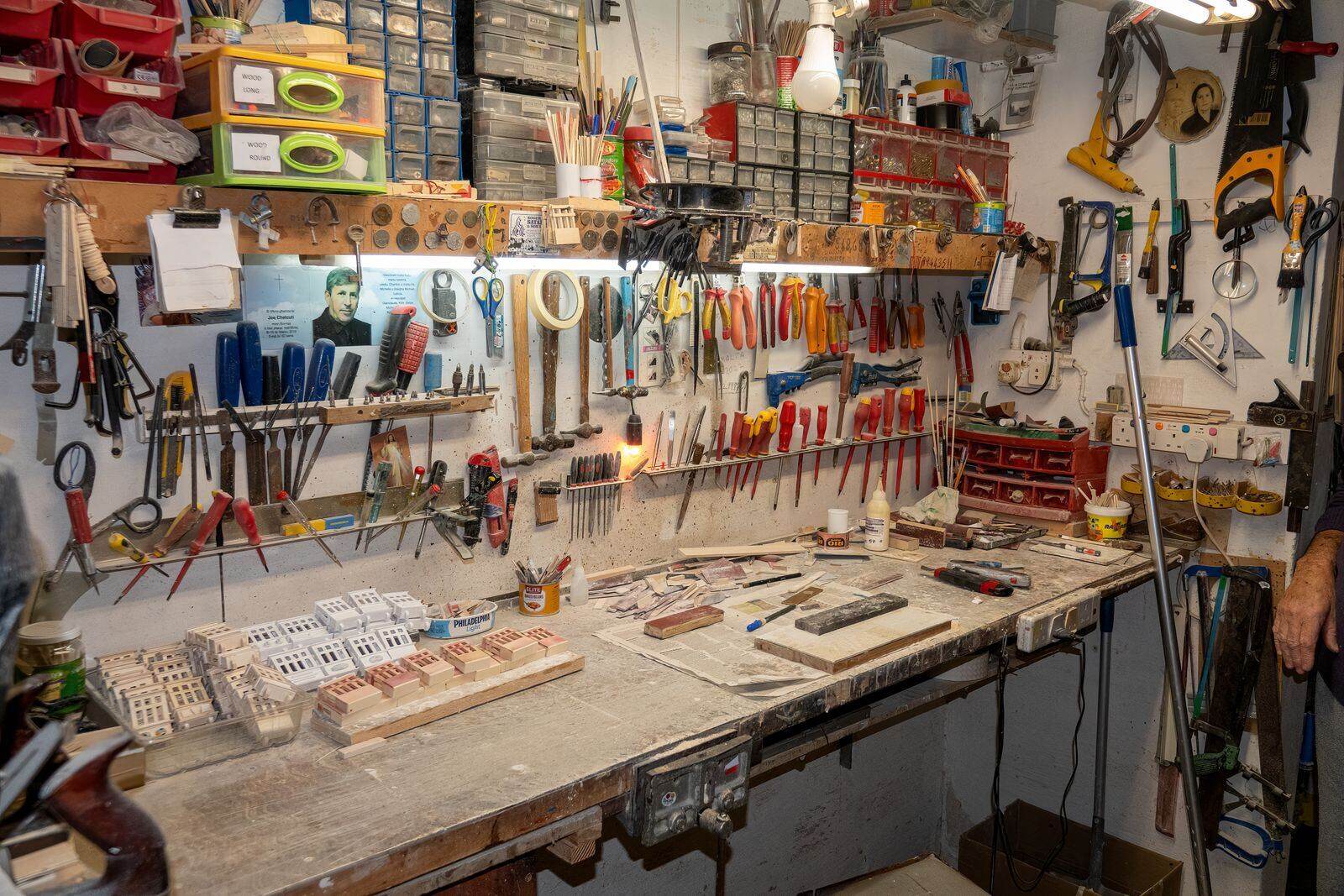
Peterborough has more engineering per head than most cities its size. The diesel engine and agricultural machinery trades built a supply chain of subcontract machine shops, gear cutters, fabricators and tool makers, many on Fengate and Orton Southgate. Add the print and packaging firms and the food processors. If you are retiring and selling the machines rather than the company, an auction is one way to reach the trade that uses them.
That is where we come in. We catalogue the lots where they stand, run the auction online for a week or two with a viewing day, and manage the collection window. Buyers pay us, and we account to you once collection is done and funds are cleared. If you would like a view on what your workshop might make, send the details through the contact form.
Subcontract machine shops that grew up around the engine trade
A machine shop that spent forty years supplying engine and tractor makers has equipment bought for volume and tolerance. CNC turning centres and machining centres, cylindrical and surface grinders, horizontal borers, a coordinate measuring machine and racks of tooling, chucks and fixtures. The older manual machines are often still there in a corner.
The buyers for this equipment are the same trade. Stamford, Corby, Huntingdon and Spalding are near enough to view in person, and the sale is online and open to the rest of the country, so a larger CNC lot can go to a buyer who sends a machinery mover. Tooling is worth sorting into lots rather than boxing, because a sorted lot can be described and bid on.
Print and packaging firms are the other common retirement sale here. Presses, guillotines, folders and finishing kit have a thinner market than machine tools, so we spend more time on description and photographs and reach further for bidders.
Fengate units and the parkway that links them
Fengate units range from small workshops to national depots, the roads were laid out for lorries, and the A1139 parkway takes a low loader to the A1(M) or the A47 without going through the city. Orton Southgate and Woodston are laid out in the same way. The unit itself still decides the job. A horizontal borer on a foundation is a rigging job before it is anything else, and the buyer's mover needs the floor, the door height, the power supply and the space for a crane, so we check all of that when we first visit and note it in the catalogue.
Timing tends to follow the order book rather than the calendar. A common pattern is to finish the last contracts and then sell, and we would rather the sale closes two or three weeks after the last delivery than while the machines are still cutting. If the lease has a fixed end date, we work back from it and leave a margin for the heaviest lot.
What these sales can include
- Workshop machinery
- Hand and power tools
- Vans and company vehicles
- Trade stock and consumables
- Racking and storage
- Forklifts and pallet trucks
- Office furniture and IT
- Welding and fabrication equipment
- Compressors and generators
- Vehicle lifts and garage equipment
- Catering and canteen equipment
- Signage and shop fittings
How the sale runs
It starts with a conversation. We ask what you have, where it is, and when you need it gone. Then we visit, walk the premises with you and agree which items are included.
We catalogue the lots on site. Each lot gets a description, photographs and, where relevant, a serial number and condition note. The catalogue goes online and the auction is marketed to buyers in the trade.
Most sales run as online timed auctions. Bidding is open for a set period, usually a week or two, with a viewing day at your premises before it closes. Buyers pay us, then collect their lots during the collection window. We account to you once the sale is reconciled, buyers have paid and the collection window has closed, from cleared funds.
The business retirement auctions page covers when an auction is the right route, what you need to prepare, values, reserves and what the buyer pays, collection day and unsold lots, other routes and when we suggest them.
Questions about selling in Peterborough
- Some of our machines are on foundations and wired in three phase. Who disconnects them?
The buyer's machinery mover removes the machine, at the buyer's cost, and we state that in the catalogue. Electrical disconnection is done by a qualified electrician before collection day so that the mover is not working on a live board, and that can be arranged where agreed or you can use your own. Bolts and grout are the mover's problem. Machines that can be run safely stay connected until the viewing so they can be demonstrated, and everything else is isolated and left safe.
- We have a lot of tooling and raw material. Is it worth cataloguing or should we scrap it?
Catalogue it. Insert tooling, holders, collets, chucks and fixtures go in sorted lots to the same subcontractors who bid on the machines, and bar stock and plate are lotted by the bundle for fabricators. Material sold by scrap weight is valued as scrap, so it is worth finding out what the usable part does at auction first. We sort it on the cataloguing visit and photograph each lot on the bench. What is genuinely worn or obsolete goes in a job lot, and only the true scrap goes to the merchant.
More questions about retirement auctions
Related services
Guides
- Auction or private treaty: which route to choose
Auction gives you a fixed date and an open market. Private treaty gives you a negotiated price and privacy. This guide sets out when each route suits, what you give up with each, and why many sales use both.