 Britannia Auctions
Business retirement auctions in Sunderland
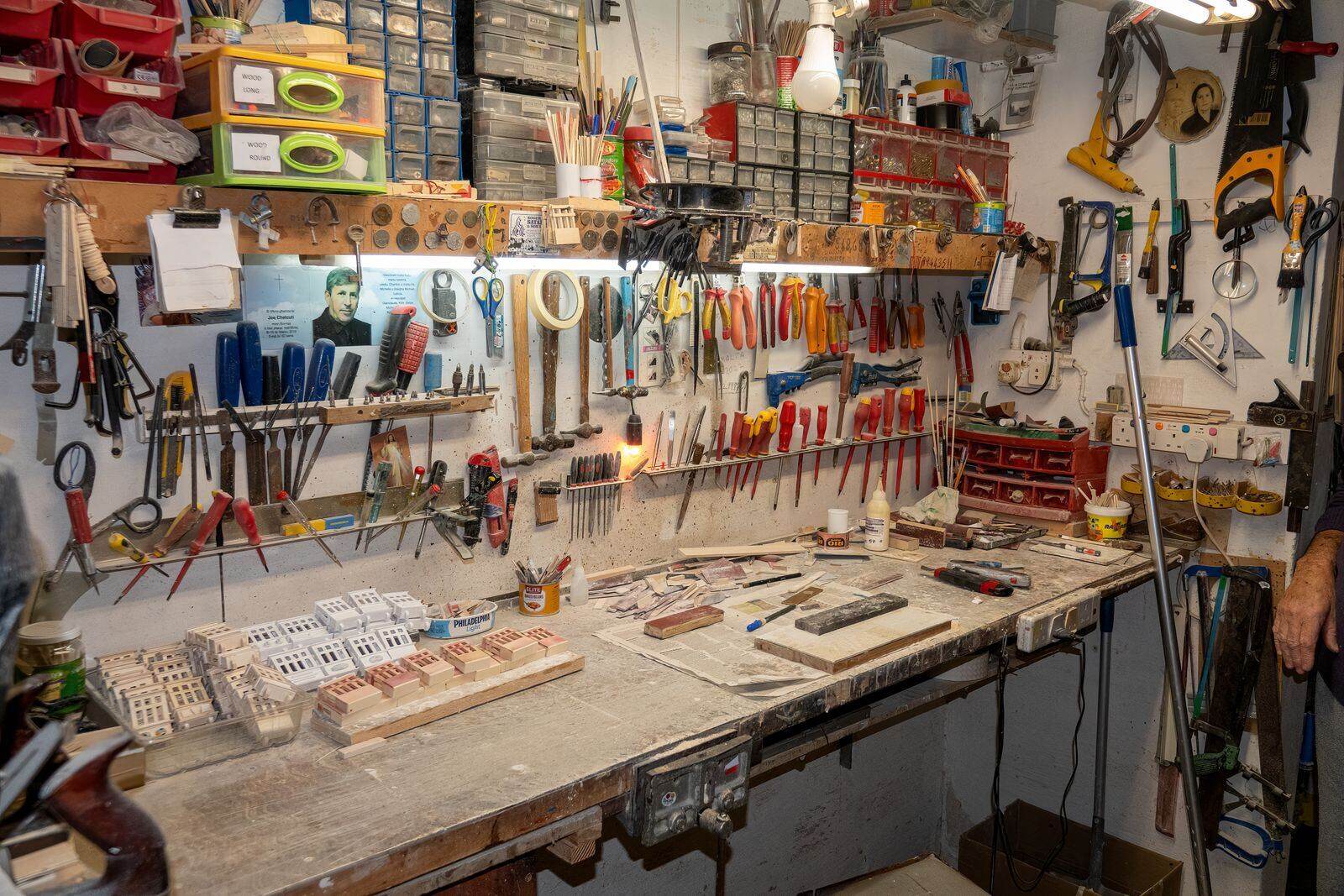
Around the car plant at Washington there is a second layer of business that gets less attention than the plant itself. Toolmakers who keep the press dies in shape, automation firms who build and repair jigs, maintenance contractors who keep the lines running, and the small machine shops that turn parts for all of them. Where an owner is retiring and selling the equipment rather than handing the firm on, the toolroom, the fabrication side and the vans go into one sale.
The unit on Pattinson or Glover then has to be emptied and handed back. We run the retirement auction. We catalogue the machines, tooling and vehicles on site, sell them online over a week or two with a viewing day, and manage the collection window afterwards. You deal with one person from the first call to settlement.
Tell us what is in the unit and we will come and look.
Tooling and maintenance contractors around the car plant
A toolmaking or maintenance business in the automotive supply chain owns more than it thinks. Milling machines, grinders, drills and spark eroders in the toolroom. Welding sets, a press brake, a saw and a guillotine for the fabrication side. Racking full of standard parts, hydraulic components, bearings and spares held for customers' machines. Vans fitted out for site work. Compressors, a forklift, pallet trucks and the office.
Machine tools and welding plant suit the trades that surround the plant. The supply chain around Washington, and the engineering firms in Gateshead, Peterlee, Durham and South Shields, use equipment of this kind, and all of it is close enough to walk the lots on the viewing day. Spares and consumables are easier to bid on in sorted lots than swept into pallets. Vans suit a wide range of buyers.
Jigs and fixtures built for one customer's part are a different matter. If the customer wants them, sell them before the auction. If not, they go as fabricated steel and the value is in the material.
Wide estate roads make the collection window simple
The Washington estates and the units around Hylton were laid out for lorries, with level yards and loading doors that face the road. What each unit allows is still checked on the visit, because the door height, the floor and the turning space decide how a milling machine comes out and what the buyer's mover has to bring.
We walk the route when we walk the site. Some units have had a mezzanine put in, or a machine bolted down over a pit, and we note that in the catalogue so riggers can quote properly. The collection order is agreed with you, so that vans and machinery movers are not booked into the same slot.
The A19 and the A1231 put Seaham and Durham within easy reach, and bidding is online for buyers further away, who send a haulier. Our staff attend the collection window and release lots against paid invoices.
What these sales can include
- Workshop machinery
- Hand and power tools
- Vans and company vehicles
- Trade stock and consumables
- Racking and storage
- Forklifts and pallet trucks
- Office furniture and IT
- Welding and fabrication equipment
- Compressors and generators
- Vehicle lifts and garage equipment
- Catering and canteen equipment
- Signage and shop fittings
How the sale runs
It starts with a conversation. We ask what you have, where it is, and when you need it gone. Then we visit, walk the premises with you and agree which items are included.
We catalogue the lots on site. Each lot gets a description, photographs and, where relevant, a serial number and condition note. The catalogue goes online and the auction is marketed to buyers in the trade.
Most sales run as online timed auctions. Bidding is open for a set period, usually a week or two, with a viewing day at your premises before it closes. Buyers pay us, then collect their lots during the collection window. We account to you once the sale is reconciled, buyers have paid and the collection window has closed, from cleared funds.
The business retirement auctions page covers when an auction is the right route, what you need to prepare, values, reserves and what the buyer pays, collection day and unsold lots, other routes and when we suggest them.
Questions about selling in Sunderland
- Our work was mostly for one tier one supplier and the contract ends when I retire. Should I tell them before the sale?
Yes, and early. A customer who relies on you will want to know their jigs, fixtures, spares and drawings are safe before anything goes into a catalogue. Anything they own is theirs and must go back to them. Anything you own that they want can be sold to them before the auction, which is often quicker than bidding. Once that is settled, the rest of the equipment goes into the sale without any argument on collection day.
- Is there a good time of year to sell automotive tooling and machine shop equipment?
There is no fixed season, but plant shutdowns matter. A factory shutdown is when a buyer has the gap to install a machine, so a sale that closes ahead of a summer or Christmas break puts equipment in front of them at a point when they could collect and fit it. The bigger factor is your own date. If the lease ends on a fixed day, we work back from that and the season takes second place.
More questions about retirement auctions
Related services
Guides
- Auction or private treaty: which route to choose
Auction gives you a fixed date and an open market. Private treaty gives you a negotiated price and privacy. This guide sets out when each route suits, what you give up with each, and why many sales use both.