 Britannia Auctions
Business retirement auctions in London
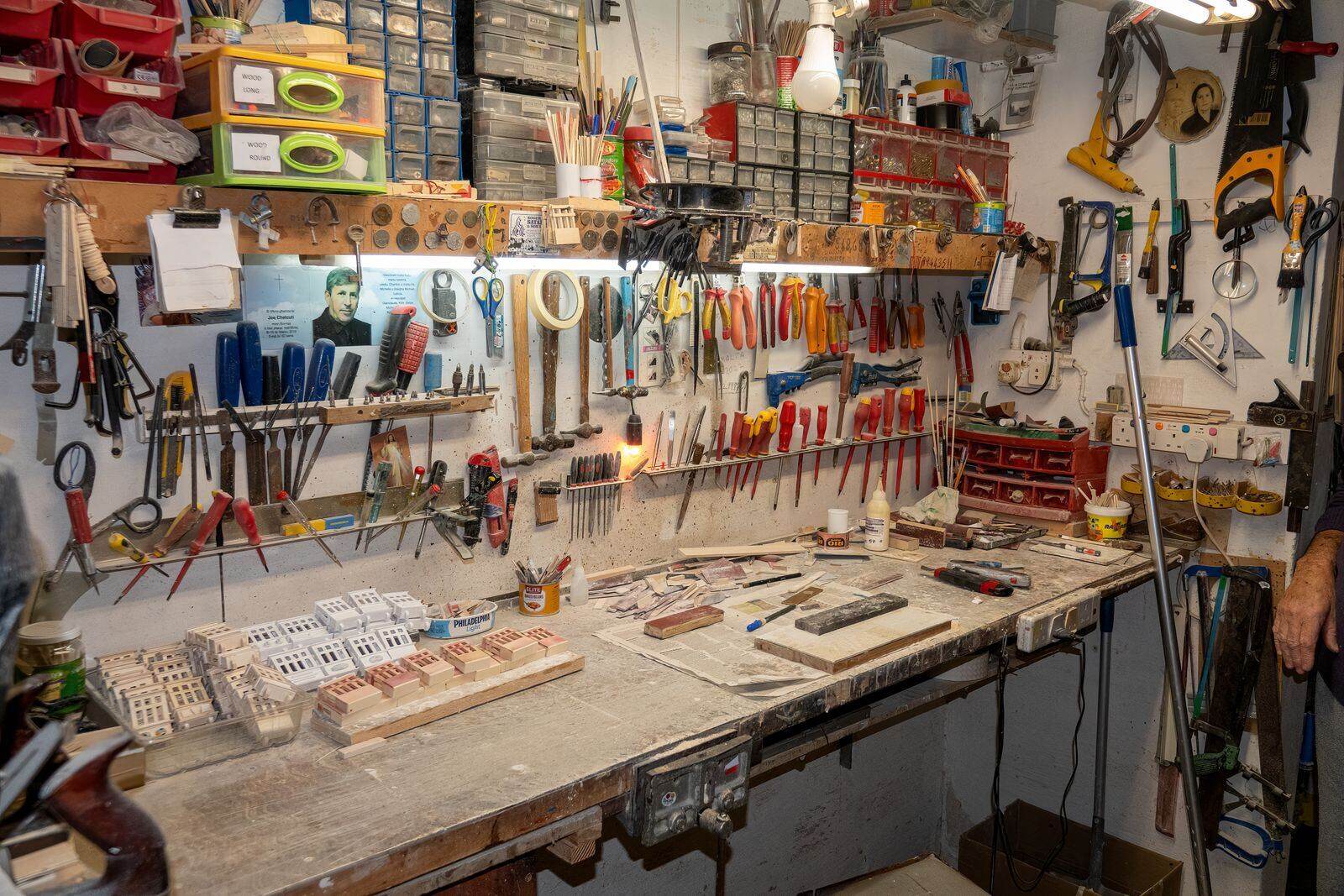
Retirement sales in London tend to have the landlord in the background. A food producer at Park Royal or a printer on the Purley Way is often on a lease agreed decades ago, and the building may be worth more to the owner of the land as housing or a new distribution shed. If you are retiring and selling the contents rather than transferring the business, the lease goes back and everything inside has to be out by a fixed date.
We run that sale as an online auction. Ovens, mixers, packing lines, presses, guillotines, vehicle lifts, racking, forklifts and vans are catalogued on site and sold to trade buyers who view at the premises and bid online. Buyers pay us, collect in a fixed window, and we hand the unit back empty.
If the timetable is tight we can collect the lots and sell them from our own premises. Either way, start with the contact form.
Kitchens, presses, lifts and vans in the outer boroughs
A food production business leaves behind stainless steel. Mixers, ovens, provers, depositors, cooking kettles, blast chillers, cold rooms, packing lines and the trays and trolleys that go with them. Bids are placed online and the sale is open to the whole of the UK, and the food trade in Park Royal and along the Lea Valley is close enough to attend a viewing day, as are caterers from Croydon to Watford.
Printers leave presses, guillotines, folders and finishing machines. The market for litho presses has narrowed and the online catalogue is what finds the buyers, some of them overseas. Digital presses, guillotines, folders and finishing kit have a wider audience.
Vehicle workshops and engineering firms in Dagenham, Erith, Hayes or Charlton bring lifts, compressors, machine tools and tools by the chest. Vans and forklifts are the lots that move most easily, because a buyer can drive them away rather than book a haulier, and Romford, Slough, Dartford and Enfield are within easy reach of a viewing day.
Collection lorries and the zone rules
Large vehicles in London have to comply with the Low Emission Zone and the Direct Vision Standard, and hauliers who do not work in the capital sometimes do not have the permits. We say so in the catalogue and give buyers the removal dates early, so their haulier can sort it out before collection day rather than be turned back.
Access is checked at the unit rather than taken from the address. Park Royal, Brimsdown and Dagenham Dock were laid out for lorries, though yards are shared and parking is tight, so we book collection slots rather than let buyers turn up at will. Older units in Charlton or Wembley on residential streets need more care, and we plan those with the neighbours in mind.
The collection order is agreed with you and published with the catalogue, so vans and machinery movers are not booked into the same slot. Riggers are appointed and paid by the buyers. Our staff are on site to release lots against paid invoices.
What these sales can include
- Workshop machinery
- Hand and power tools
- Vans and company vehicles
- Trade stock and consumables
- Racking and storage
- Forklifts and pallet trucks
- Office furniture and IT
- Welding and fabrication equipment
- Compressors and generators
- Vehicle lifts and garage equipment
- Catering and canteen equipment
- Signage and shop fittings
How the sale runs
It starts with a conversation. We ask what you have, where it is, and when you need it gone. Then we visit, walk the premises with you and agree which items are included.
We catalogue the lots on site. Each lot gets a description, photographs and, where relevant, a serial number and condition note. The catalogue goes online and the auction is marketed to buyers in the trade.
Most sales run as online timed auctions. Bidding is open for a set period, usually a week or two, with a viewing day at your premises before it closes. Buyers pay us, then collect their lots during the collection window. We account to you once the sale is reconciled, buyers have paid and the collection window has closed, from cleared funds.
The business retirement auctions page covers when an auction is the right route, what you need to prepare, values, reserves and what the buyer pays, collection day and unsold lots, other routes and when we suggest them.
Questions about selling in London
- Our lease ends in eight weeks and the landlord wants the unit stripped back to the shell. Can you fit the sale in?
Yes, if we start now. Cataloguing takes a few days depending on the number of lots, the online sale runs a week or ten days, and the collection window follows straight after, which leaves a margin inside eight weeks. Stripping out fixed items such as cold rooms, extraction, racking and a mezzanine is done by the buyer's contractor within the window, and anything unsold is cleared before the keys go back. If the margin is too tight, we move the lots to our own premises and sell from there.
- Is it worth selling the cold rooms and the extraction, or should we leave them for the landlord?
Ask the landlord first. If the incoming tenant is in the same trade, the landlord may want the cold rooms and extraction left in place, and that saves you the cost of removal. If the building is to be redeveloped, they must go, and cold room panels, condensing units, canopies and extraction plant sell at auction to caterers and food firms who will dismantle them. We describe them as removal at the buyer's cost with a date by which the work must be done.
More questions about retirement auctions
Related services
Guides
- Auction or private treaty: which route to choose
Auction gives you a fixed date and an open market. Private treaty gives you a negotiated price and privacy. This guide sets out when each route suits, what you give up with each, and why many sales use both.